-
 01
01

ภาษาอังกฤษ

Are Disposable Aluminum Foil Containers Worth It in 2026?
ข่าวอุตสาหกรรม-ใช่ - ใช้แล้วทิ้ง ภาชนะอลูมิเนียมฟอยล์ คุ้มค่าในปี 2569 , and for most foodservice, catering, and retail packaging applications, they remain one of the most practical, cost-efficient, and environmentally defensible single-use options available. Unlike plastic alternatives that face increasing regulatory restrictions, aluminum foil tableware is infinitely recyclable, food-safe across extreme temperatures, and proven across decades of industrial and commercial use. This article examines the evidence, applications, and selection criteria that make disposable aluminum food containers a sound choice for caterers, food producers, airlines, retailers, and households alike.
Why อลูมิเนียมฟอยล์ Containers Still Lead the Market in 2026
The global aluminum foil container market continues to grow, driven by the foodservice industry's demand for packaging that can move from freezer to oven to table without transfer. Several structural factors reinforce this trend in 2026:
- แบนพลาสติกเร่งการยอมรับ — More than 60 countries have enacted restrictions on single-use plastics. Foodservice operators are actively replacing plastic trays with disposable aluminum food containers as a compliant, practical alternative.
- การจัดตำแหน่งโครงสร้างพื้นฐานการรีไซเคิล — Aluminum is one of the most recycled materials globally, with recycling rates exceeding 75% ในยุโรป and recovery programs expanding across North America and Asia-Pacific.
- การเติบโตของตลาดอาหารพร้อมรับประทานและชุดอาหาร — The global ready-to-eat food market, valued at over $180 billion in 2025, relies heavily on aluminum foil trays for packaging, cooking, and reheating convenience.
- ความต้องการด้านอาหารการบินและสถาบัน — Airline catering alone accounts for billions of aluminum foil container units annually, a segment recovering strongly post-pandemic.
ข้อดีด้านประสิทธิภาพที่สำคัญของแบบใช้แล้วทิ้ง ภาชนะบรรจุอาหารอลูมิเนียม
Disposable aluminum food containers offer a combination of performance properties that no single alternative material replicates across all conditions:
ช่วงอุณหภูมิ
Aluminum foil containers withstand temperatures from -40°ซ ถึง 600°ซ (-40°F to 1,112°F), making them suitable for blast freezing, conventional oven baking, convection cooking, and even some grill applications. No pre-heating or transfer to a separate dish is required — the container itself serves as the cooking vessel.
คุณสมบัติของสิ่งกีดขวาง
อลูมิเนียมให้ สิ่งกีดขวางที่สมบูรณ์ against light, moisture, oxygen, and micro-organisms — all four of the primary agents of food spoilage. This is why aluminum foil tableware is standard in airline catering, military ration packs, and long-shelf-life retail food products where contamination control is non-negotiable.
ความแข็งแกร่งของโครงสร้าง
Heavy duty aluminum foil trays maintain their structural integrity when filled with dense, liquid-rich foods — roasts, stews, lasagnas — that would deform or leak in thinner gauge alternatives. Gauge thickness in commercial-grade trays typically ranges from 80 ถึง 120 ไมครอน , with catering-grade trays reaching 150 microns for large-format applications.
ความปลอดภัยของอาหาร
Aluminum foil containers that meet food-grade standards are certified for direct food contact. They do not absorb odors, flavors, or bacteria, and do not release harmful substances at cooking temperatures when used within their designed temperature range. เป็นไปตามข้อกำหนดของ FDA, กฎระเบียบของสหภาพยุโรป 10/2011 และมาตรฐานวัสดุสัมผัสอาหารระหว่างประเทศที่เทียบเท่า
Figure 1: Suitability comparison of aluminum foil, plastic, and paper containers across four key performance factors
Aluminum Foil Tableware by Application: Matching Product to Use Case
ภาชนะอลูมิเนียมฟอยล์บนโต๊ะอาหารไม่ได้ผลิตมาเหมือนกันทั้งหมด การเลือกผลิตภัณฑ์ควรสอดคล้องกับความต้องการด้านความร้อน โครงสร้าง และปริมาตรเฉพาะของแต่ละการใช้งาน ตารางด้านล่างสรุปประเภทผลิตภัณฑ์หลักและการใช้งานที่แนะนำ:
| ประเภทสินค้า | เกจ/ความลึก | การสมัครหลัก | ข้อได้เปรียบที่สำคัญ |
|---|---|---|---|
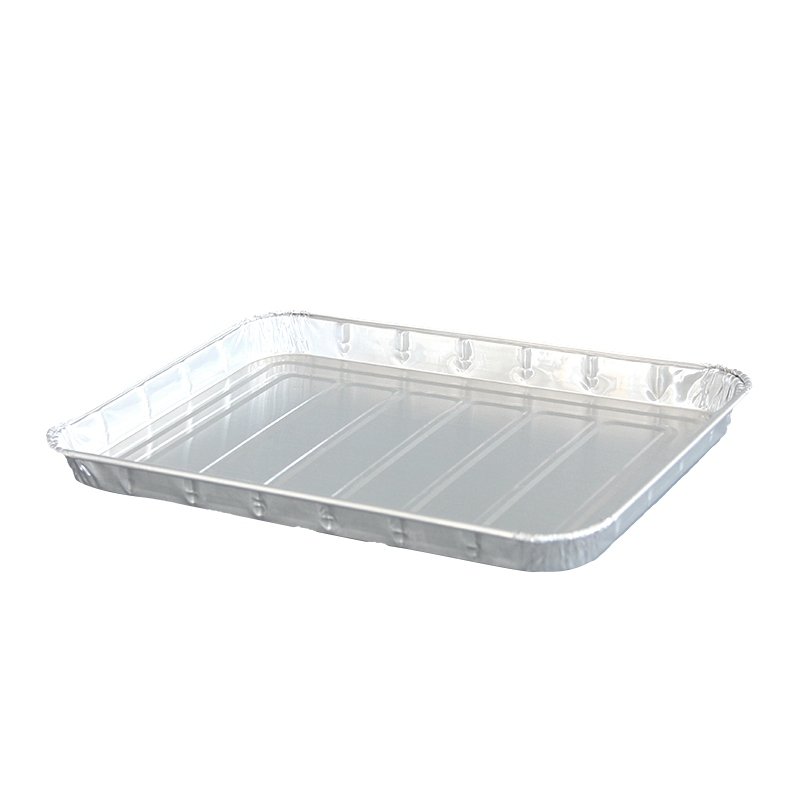
| ถาดฟอยล์มาตรฐาน | 80–100 ไมครอน / ตื้น | ขายปลีกอาหารสำเร็จรูป, ซื้อกลับบ้าน | น้ำหนักเบา วางซ้อนกันได้ คุ้มค่า |
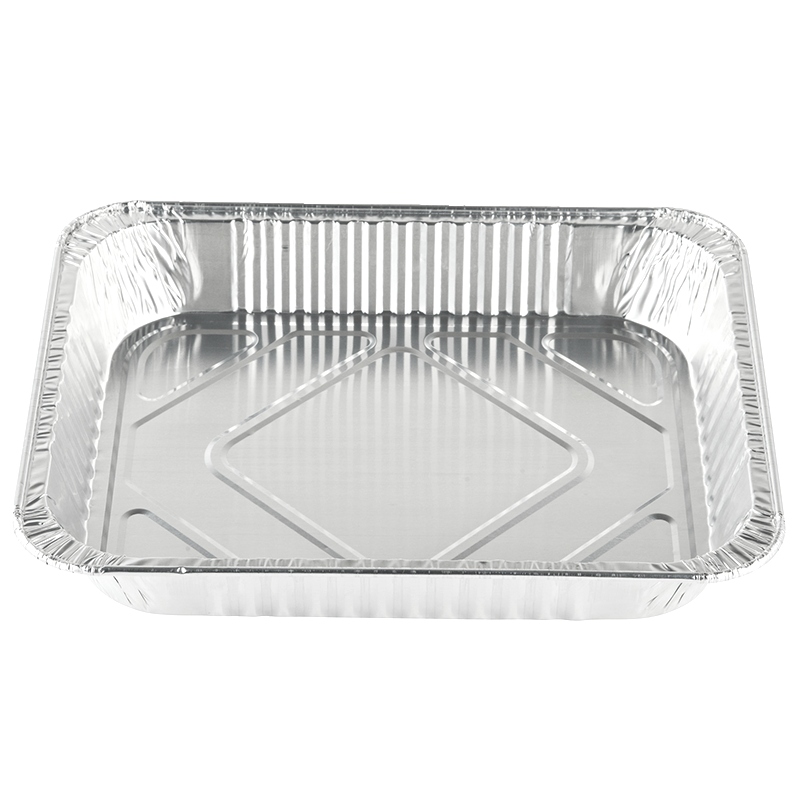
| ถาดอลูมิเนียมฟอยล์สำหรับงานหนัก | 120–150 ไมครอน / ลึก | การจัดเลี้ยง การคั่ว การทำอาหารสถาบัน | มีความแข็งแรงของโครงสร้างสูงภายใต้ความร้อนและน้ำหนัก |
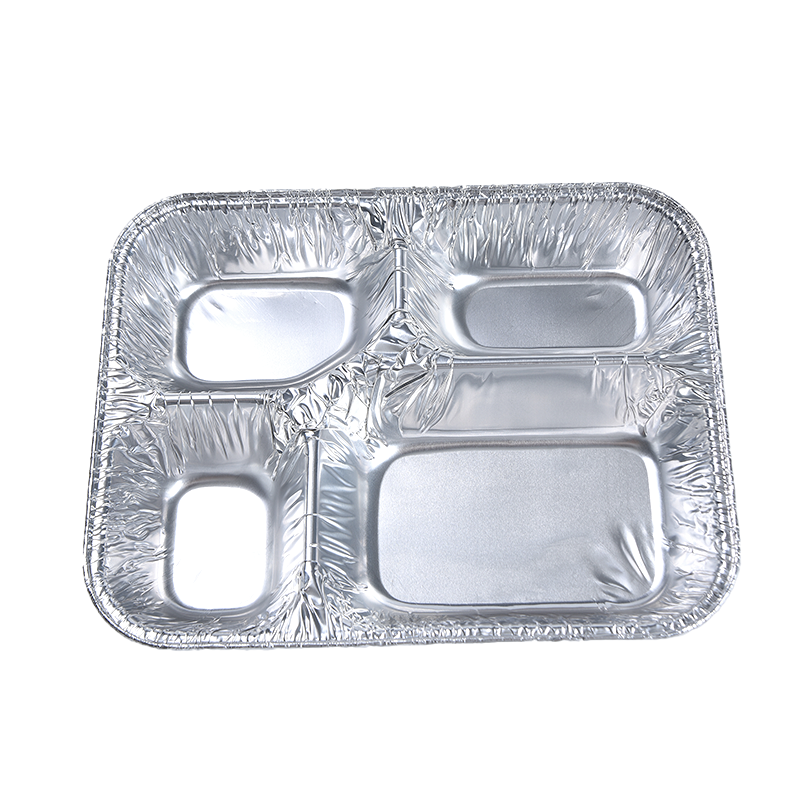
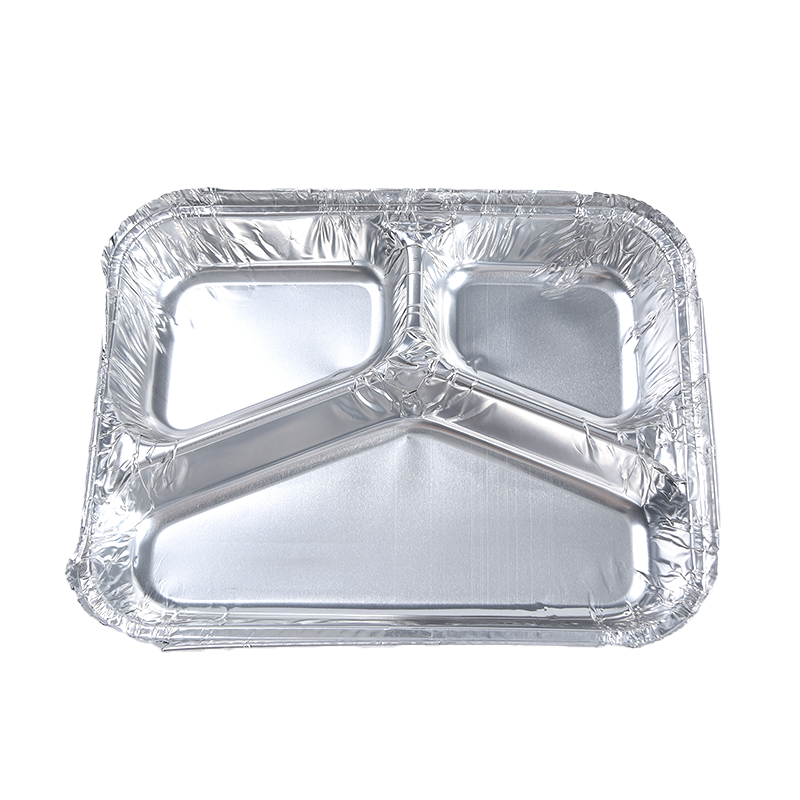
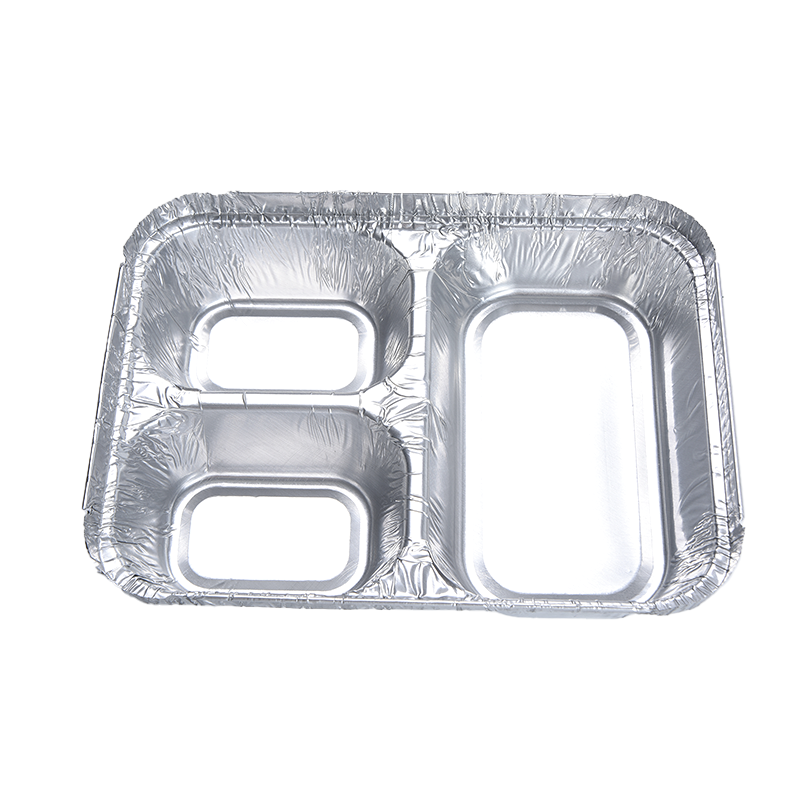
| ภาชนะบรรจุฟอยล์การบิน | 90–110 ไมครอน / แบ่งช่อง | บริการอาหารของสายการบิน | การแบ่งส่วนที่แม่นยำ ความเข้ากันได้ของการปิดผนึกสุญญากาศ |
| กระทะอลูมิเนียมฟอยล์จัดเลี้ยง | 130–180 ไมครอน / ขนาดเต็ม | รับจัดเลี้ยง งานบุฟเฟ่ต์ ทำอาหารชุดใหญ่ | ใช้ได้กับกระทะโรงแรมเต็มรูปแบบ ฝาปิดใช้กับเครื่องล้างจานได้ |
| กระทะก้อนอลูมิเนียม | 100–120 ไมครอน / ทรงก้อน | การอบ ปาเต้ เทอร์รีน แยกส่วน | กระจายความร้อนได้ทั่วถึงสำหรับงานอบ |
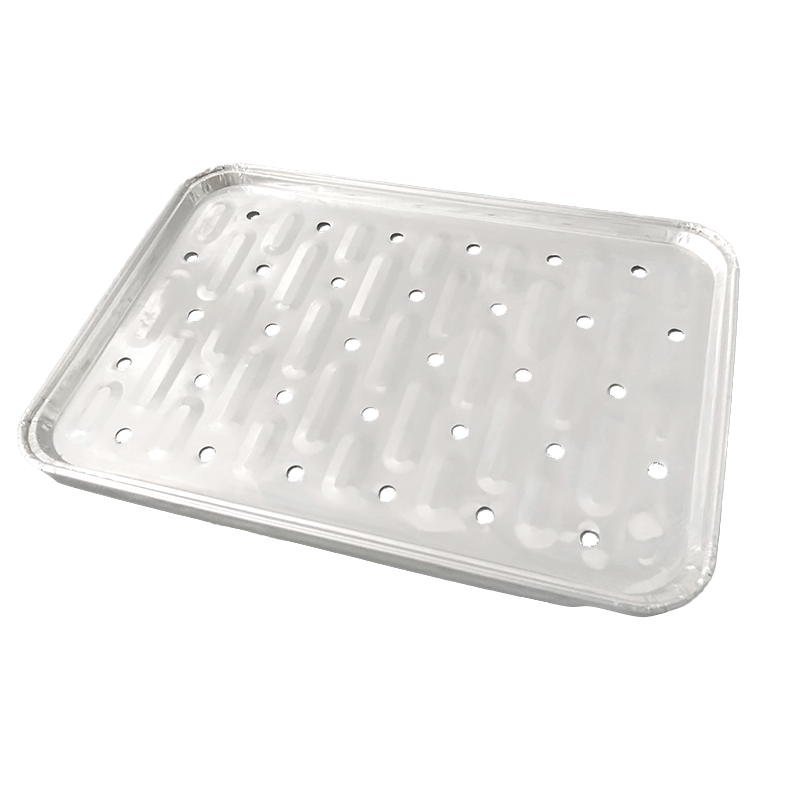
| กระทะบาร์บีคิว / ย่าง | 120–150 ไมครอน / มีการระบายอากาศหรือของแข็ง | งานปิ้งย่างกลางแจ้ง งานบาร์บีคิว | ทนความร้อน บรรจุน้ำหยด ทำความสะอาดง่าย |
| ตุรกี / กระทะย่างขนาดใหญ่ | 150–200 ไมครอน / ลึกเป็นพิเศษ | การคั่ววันหยุด สัตว์ปีกขนาดใหญ่ สถาบัน | รองรับน้ำหนักเกิน 10 กก. โดยไม่เสียรูป |
Heavy Duty Aluminum Foil Trays for Catering: What Operators Need to Know
For catering companies, event operators, and institutional food providers, heavy duty aluminum foil trays and aluminum catering foil pans are the workhorse of the operation. Selecting the right specification prevents costly failures — split trays, leaking joints, or containers that cannot be safely carried when full.
การเลือกมาตรวัดตามประเภทอาหาร
เกจ (ความหนา) ของอะลูมิเนียมจะกำหนดประสิทธิภาพของโครงสร้างภายใต้ภาระและความร้อน:
- 80–100 ไมครอน — เหมาะสำหรับของแห้ง ขนมอบ และแซนด์วิชแบบเบา Not recommended for liquid-rich dishes or oven use above 180°C.
- 100–130 ไมครอน - เกรดจัดเลี้ยงมาตรฐาน จัดการกับอาหาร ซอส และหม้อปรุงอาหารส่วนใหญ่ได้อย่างปลอดภัยในเตาอบทั่วไปที่มีอุณหภูมิสูงถึง 220°C
- 130–180 ไมครอน - ข้อกำหนดการจัดเลี้ยงสำหรับงานหนัก จำเป็นสำหรับกระทะโรงแรมแบบเต็มใบที่ใส่สตูว์ แกง หรือส่วนโปรตีนขนาดใหญ่ที่ขนส่งและอุ่นนอกสถานที่
- 180 ไมครอน — ใช้งานหนักเป็นพิเศษ ใช้สำหรับกระทะย่างไก่งวงและถาดทำอาหารขนาดใหญ่ของสถาบัน รองรับน้ำหนักได้เกิน 8–10 กก.
ความเข้ากันได้ของฝาและการปิดผนึก
For catering and transport applications, aluminum catering foil pans should be paired with compatible foil lids or cardboard lids that provide a tight seal. A properly sealed container prevents moisture loss during oven cooking, maintains food temperature during transport, and ensures contamination protection. มองหาภาชนะที่มีก ขอบรีดหรือเสริม ที่ช่วยให้ฝาปิดสามารถนั่งได้อย่างปลอดภัยภายใต้แรงกดเชิงกล
Environmental Profile: Aluminum Foil vs. Plastic Disposables in 2026
ข้อโต้แย้งด้านสิ่งแวดล้อมสำหรับภาชนะบรรจุอาหารอะลูมิเนียมแบบใช้แล้วทิ้งมีความเข้มแข็งมากขึ้นในช่วงไม่กี่ปีที่ผ่านมา Key facts that inform the sustainability comparison:
- รีไซเคิลได้ไม่จำกัด — Aluminum can be recycled repeatedly without any loss of material quality. อลูมิเนียมรีไซเคิลต้องการเท่านั้น 5% ของพลังงาน needed to produce primary aluminum from bauxite ore.
- อัตราการฟื้นตัวสูง — Used aluminum foil containers are accepted by most municipal recycling programs, unlike many multi-layer plastic food trays that are non-recyclable.
- ไม่มีความเสี่ยงจากไมโครพลาสติก — อะลูมิเนียมไม่เหมือนกับภาชนะพลาสติกตรงที่จะไม่ปล่อยไมโครพลาสติกเข้าไปในอาหารหรือสิ่งแวดล้อมเมื่อเวลาผ่านไป
- การปฏิบัติตามกฎระเบียบ — As single-use plastic regulations tighten across the EU, UK, and increasingly in Asia-Pacific, aluminum containers are already compliant as a non-plastic alternative in most jurisdictions.
The primary environmental caveat is that aluminum production from raw ore is energy-intensive. However, when containers are properly recycled — which they are at consistently higher rates than plastic — the lifecycle carbon footprint compares favorably over multiple use cycles.
Figure 2: Estimated recycling rate trends for aluminum foil vs. plastic food containers, 2018–2024 (European average)
How to Select the Right Disposable Aluminum Food Container for Your Operation
Procurement teams and foodservice operators should evaluate aluminum foil containers against the following criteria before committing to a supplier or specification:
- เกรดโลหะผสมและความบริสุทธิ์ — Food-contact aluminum should meet alloy 1xxx or 8xxx series standards. ยืนยันการรับรองวัสดุของซัพพลายเออร์เพื่อให้มั่นใจว่าสอดคล้องกับกฎระเบียบด้านความปลอดภัยของอาหารในตลาดเป้าหมายของคุณ
- เกจและความสามารถในการรับน้ำหนัก — Match the gauge to the food weight and temperature. ถาดมาตรฐานขนาด 100 ไมครอนไม่เหมาะกับลาซานญ่าขนาด 3 กิโลกรัมที่อุณหภูมิ 200°C; a 150-micron heavy duty tray is the appropriate specification.
- ประเภทขอบ — ขอบเรียบเหมาะกับการปิดผนึกฝามาตรฐาน ขอบล้อแบบรีดเพิ่มความแข็งแรงในการยึดเกาะเพื่อการขนย้าย Confirm compatibility with your lid or heat-sealing equipment.
- การรักษาพื้นผิว — Standard bright aluminum, anodized, or lacquered finishes are available. ภายในเคลือบแลคเกอร์หรือเคลือบปรับปรุงคุณสมบัติการปลดปล่อยของอาหารบางชนิด (ขนมอบ อาหารที่ทำจากนม)
- มาตรฐานมิติ — For commercial kitchens and institutional use, containers that fit standard gastronorm or hotel pan systems reduce handling complexity and allow containers to be used directly in existing oven racks and warming equipment.
- ประสิทธิภาพการซ้อน — In high-volume operations, stackable trays with consistent tolerances reduce storage footprint and improve dispensing speed during peak service periods.
About Ningbo Aikang อลูมิเนียมฟอยล์เทคโนโลยี จำกัด
Ningbo Aikang Aluminum Foil Technology Co., Ltd. is a China aluminum foil container manufacturer and aluminum foil tableware factory located in Haishu District, Ningbo — one of China's most strategically important port cities for export logistics. The company is dedicated to the design, development, and production of environmentally responsible disposable aluminum foil products and advanced packaging solutions that respond to the evolving needs of global markets.
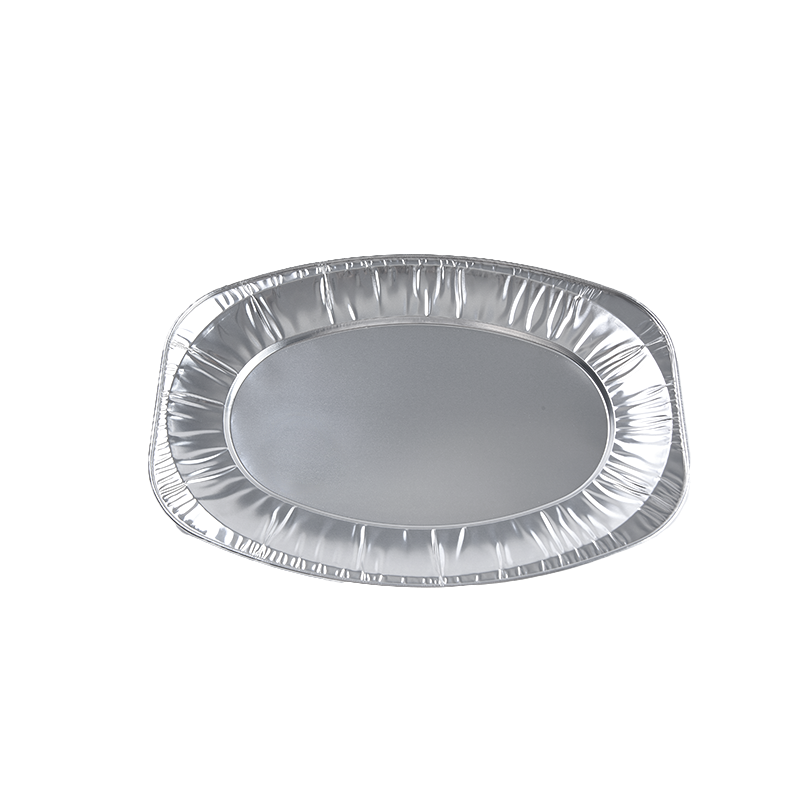
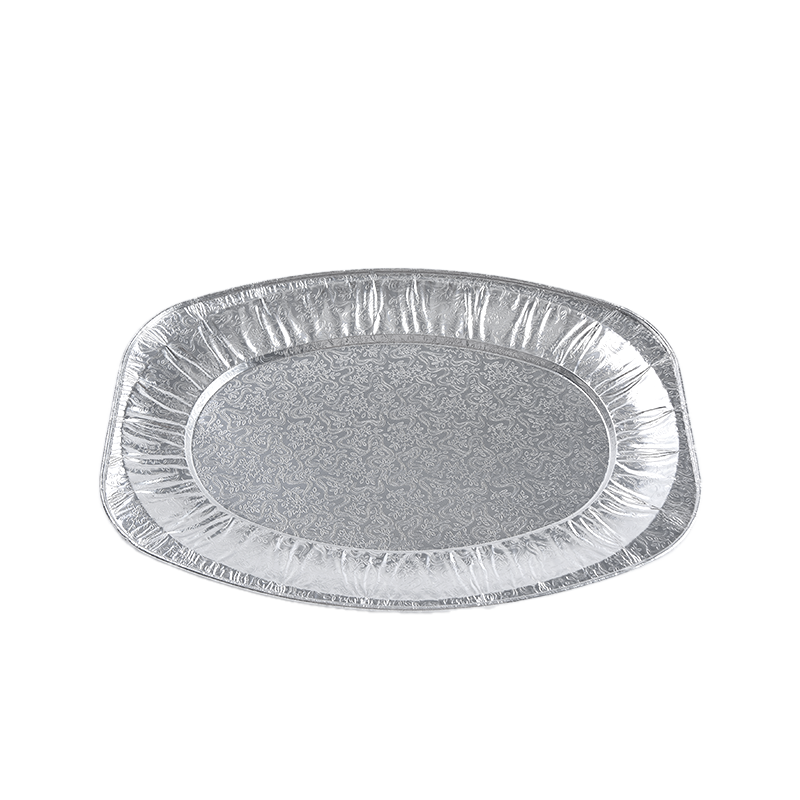
กลุ่มผลิตภัณฑ์หลักประกอบด้วย ภาชนะอลูมิเนียมฟอยล์สำหรับการบิน, กระทะบาร์บีคิว, กระทะตุรกี, กระทะก้อนอลูมิเนียม และภาชนะอลูมิเนียมฟอยล์ชนิดพิเศษหลากหลายประเภท Aikang has developed multiple automatic production lines and proprietary molds that underpin consistent quality and product diversity across the full range.
Supported by professional design capabilities, advanced manufacturing facilities, and a dedicated international sales and service team, Aikang has established itself as a leading enterprise in China's aluminum foil container industry. บริษัทดำเนินกิจการภายใต้หลักการของ "ความจริงใจและซื่อสัตย์" — providing reliable products and responsive service to customers across domestic and international markets, and committed to creating lasting mutual value for all partners.
คำถามที่พบบ่อย
เลือก AiKang เพื่อคุณภาพสูงสุด
ผลิตภัณฑ์อลูมิเนียมฟอยล์
สำรวจของเรา
สินค้าเด่น
Ningbo Aikang อลูมิเนียมฟอยล์ Technology Co., Ltd ซึ่งตั้งอยู่ใน Ningbo, ผลิตผลิตภัณฑ์ฟอยล์อลูมิเนียมแบบใช้แล้วทิ้งที่เป็นมิตรกับสิ่งแวดล้อม พวกเขาจัดลำดับความสำคัญ คุณภาพและความพึงพอใจของลูกค้า ให้บริการสู่ตลาดโลกด้วยนวัตกรรม โซลูชั่นบรรจุภัณฑ์


ลิงค์ด่วน
สินค้า
ติดต่อ
-
 เลขที่ 5 ถนน Yongxing East, ถนน Fengshan, เมืองหยูเหยา, จังหวัดเจ้อเจียง, จีน
-
 Tel: +86-15867468784
-
 E-mail: [email protected]
ส่งข้อความถึงเรา
